Your trusted partner for safety, independence, and confidence in your home!
Functional Home Transformations provides personalized occupational therapy in the comfort of your home. We help older adults and families people find practical solutions to improve safety, independence, and everyday routines, whether you're adjusting after an illness or injury, managing changes in your abilities, or simply finding that daily activities aren't as easy as they used to be.
Our goal is simple: to help make living at home safer, easier, and more manageable."
Functional Home Transformations Redefines Outpatient Therapy!
What Sets Us Apart?
FHT is not a home health agency:
FHT provides outpatient occupational therapy in your home. That means our services aren’t tied to a home health episode of care or a requirement that you be homebound. How often and how long I work with you depends on your needs, goals, progress, and, when insurance is being used, your plan’s coverage requirements.
Consistency of Care:
When you work with FHT, you work directly with me. I’ll get to know you, your goals, your home, and what we’re working toward together. You won’t have to start over with a different therapist from visit to visit.
Here's How We Can Help You

Staying Safe at Home
Feel Safer and More Confident in Your Own Home
A fall, a close call, or even a change in how you move around your home can make you wonder, "Is my home still safe for me?"
FHT helps you figure out what's getting in the way and what practical changes can help you feel safer and more confident at home.
When Home Doesn't Feel as Safe as It Used To
Sometimes the signs are obvious, like a fall. Other times, they're much easier to miss.
Maybe you're holding onto furniture when you walk. You're nervous getting in and out of the shower. The stairs feel harder. You've stopped doing something because you don't feel as steady as you once did. These little changes matter. You don't have to wait until something serious happens to start looking for solutions.
Finding the Right Solution Starts With Understanding the Problem
Making your home safer isn't just about removing throw rugs or adding grab bars. We look at you and your home together. What's difficult? Where are you having trouble? What are you avoiding? Has something changed with your strength, balance, confidence, or ability to complete everyday activities? Once we understand what's happening, we can find practical solutions that fit you. That might include changing the way something is arranged, practicing a safer or easier way to complete an activity, improving strength and balance, finding the right equipment, or recommending changes to your home. The goal isn't to change everything. It's to figure out what will make the biggest difference.
Why Functional Home Transformations?
We Don't Just Look for Hazards. We Look at What's Happening to You. A checklist can identify common safety concerns. But it can't always explain why you're reaching for the towel rack when you stand up, why you've stopped using the upstairs shower, or why you're suddenly having trouble with stairs you've used for years. That's where FHT is different. We come to you, in the place where you're actually experiencing the problem. We look at your home, your routines, and what's becoming difficult so we can help you understand why it's happening and what you can do about it. Our recommendations are practical, personalized, and focused on helping you continue living safely and independently at home.
Common Questions
Why do I keep falling?
There may be more than one thing contributing to your falls, which is why the answer isn't always obvious.
What helps is looking for a pattern. Where are the falls happening? What were you doing at the time? Did you lose your balance, trip, get dizzy, or have trouble getting your feet where you wanted them to go? Has anything changed recently?
Even the falls that seem completely different may have something in common.
Looking at those details can help narrow down what's contributing to the falls and give us a better idea of what may help reduce the chance of another one.
Why does my doctor always ask me if I've fallen?
Because falls can tell your doctor a lot. Even if you weren't hurt, a fall may be a sign that something has changed with your health, your mobility, or how you're managing your everyday activities. And if you've fallen more than once, that's important for your doctor to know. Here's something else worth mentioning: the close calls count too.
If you lost your balance but caught yourself on the counter, stumbled and grabbed the wall, or almost went down but someone caught you, tell them that too. Those details can help your doctor decide whether there's something that needs a closer look.
What should I do if my loved one falls?
First, check for injury before trying to help them up. If they hit their head, have significant pain, can't move normally, can't safely get up, lost consciousness, or something just doesn't seem right, get medical help.
Once they're safe, don't just move on and forget about the fall. Think about what was happening when it occurred and whether you've noticed any other changes or close calls recently.
That information may help you and their healthcare providers understand what contributed to the fall and what needs attention going forward.
I'm having trouble getting up and down the steps in my home and outside my home. Can you help?
Yes. If stairs that you once managed are becoming more difficult, it's worth paying attention to what's changed.
Sometimes there are simple things that can help, such as better lighting, a clear pathway, or a secure handrail.
Other situations may require a different approach. The recommendation should fit what's actually making the stairs difficult for you. And if a ramp, stair lift, additional railing, or another home modification is the right option, I'll recommend it. We start with what's happening on the stairs and go from there.
How do I know if my home is safe enough?
Pay attention to the little ways you've started adapting without really thinking about it. You may still be getting everything done, but you might be doing it differently—holding onto something for support, avoiding a certain area, or changing a routine because something has become harder or doesn't feel as safe as it once did.
Those changes are worth noticing, even if you've never fallen.
Want to take a closer look? Read Tee's full answer →
Not Sure What You Need?
You don't have to know exactly what kind of help you need. Start by telling us what's happening, and we'll figure out the next step together.

Maintaining Independence
Keep Doing What Matters to You
Independence doesn't always mean doing everything by yourself or doing things exactly the way you used to. Sometimes it means finding a different or easier way to keep doing the things that matter to you. FHT helps identify what's getting in the way and find practical solutions that help you stay involved, make your own choices, and do as much for yourself as possible.
Keep Doing What Matters to You
Independence doesn’t always mean doing everything by yourself or doing things exactly the way you used to. Sometimes it means finding a different or easier way to keep doing the things that matter to you. FHT helps identify what’s getting in the way and find practical solutions that help you stay involved, make your own choices, and do as much for yourself as possible.
When Doing Things for Yourself Starts to Change
Changes in independence aren’t always obvious. You may still be getting things done, but they take longer, require more effort, or leave you with less energy for the rest of your day. Sometimes other people notice the changes first and begin stepping in to help. Other times, you make adjustments on your own and don’t really think much about them.
What matters is how those changes are affecting your everyday life and your ability to keep doing the things that are important to you.
Independence doesn’t have to look the way it used to
Doing something differently doesn’t automatically mean giving up your independence.
There may be an easier way to complete an activity, a change that makes your home work better for you, or a way to accept help with one part while continuing to do the rest yourself.
What works for one person may not work for another. Your abilities, routines, priorities, and the amount of support you have available all play a part in deciding what makes sense for you.
And when family members are involved, your voice should remain part of those decisions.
Why Functional Home Transformations?
At FHT, I’m interested in more than whether you can or cannot do something. I want to know how you’re doing it and what happens when you try. Sometimes you may be capable of doing an activity, but it takes so much effort that you have little left for anything else. Or you may have stopped doing something that could still be possible with the right change or support.
Because I come to you, I can see these things where they’re actually happening—in your home and as part of your everyday routine. From there, we can figure out what may help you continue doing as much for yourself as possible while getting the support you need where you need it.
Why do my kids want to do everything for me?
Usually, they’re trying to help. The people who care about you may worry that you’ll fall, get hurt, or wear yourself out, so they start stepping in. If you’re still able to participate, though, having everything done for you can mean fewer chances to keep using the skills and abilities you still have. It may help to be specific about where you want to stay involved and where help would actually be useful. Sometimes that means doing part of a task, taking more time, or changing how it’s done. There’s a lot of room between doing everything alone and having everything done for you.
I live alone and have to do everything for myself, but I'm afraid of falling. What can I do?
Living alone can make a fear of falling feel very different because you may be thinking, “What happens if I fall and no one is here?” Start by looking at the activities that make you the most nervous. You may feel perfectly comfortable making breakfast but avoid taking a shower until someone is nearby. Or you may be fine moving around the house but worry about getting outside, carrying laundry, or bringing groceries in. Those details help identify where you may need a safer way to do something, a change in your setup, the right equipment, or a plan for getting help if something happens. Living alone doesn’t mean you have to figure everything out alone. There are ways to make everyday activities safer while helping you continue doing as much for yourself as possible.
I get go tired when I do things that sometimes other things don’t get done. What can I do?
When everyday activities take more energy than they used to, it’s easy to use up most of what you have just getting through one part of your day. Start paying attention to where your energy is going. If taking a shower leaves you too tired to make breakfast, or doing the laundry means you don’t have the energy to cook dinner, that’s useful information. You may need to change how you pace your day, break activities into smaller parts, sit for portions of a task, or decide what really needs to be done that day and what can wait. And if the fatigue is new, getting worse, or seems out of proportion to what you’re doing, let your healthcare provider know. The idea is to use the energy you have for the things that matter most to you.
Why Is My mom so stubborn? She won’t listen to anything I suggest!
She may be stubborn, but there may be more going on. Think about what it feels like to have someone start questioning the way you’ve done things for years or telling you that you need help when you don’t think you do. Even a good suggestion can feel like someone is trying to take over.
Instead of leading with the solution, try starting a conversation about what you’re noticing. “Mom, I’ve noticed the steps seem a little harder lately. How do they feel to you?” gives her a chance to tell you what she thinks before you tell her what you think she needs.
And be willing to compromise. You may want the safest possible option while your mom is thinking about what she’s willing to live with every day. Sometimes you can find a middle ground that addresses your concern while still giving her choices and some control over the decision.
You may not agree on everything, and that’s okay. Keep the conversation going. A solution is much more likely to work when your mom has had a say in it.
I think my Dad needs to go to an assisted living place. How do I know if he does?
That’s a big decision, and I wouldn’t make it based on one bad day—or one scary incident.
Take a closer look at how your dad is actually managing day to day. Is he taking care of himself? Eating regularly? Managing his medications? Getting around safely? Keeping up with the home? Is he able to get help when he needs it?
Then ask another important question: What does dad want?
Sometimes families assume the only choices are staying exactly as things are or moving to assisted living. There may be other options worth exploring first: changes to the home, equipment, help with certain activities, additional services, or a different way of managing daily routines.There are also times when someone’s needs have reached a point where the current living situation may no longer provide the level of support they need.
Sometimes another set of eyes can be helpful. When you’re the one worrying, helping, and trying to make the decision, it can be hard to know what you’re seeing or what you might be missing. Having someone come into the home and see your dad in his everyday environment can bring a different perspective to the conversation. I may notice concerns, possibilities, or solutions that haven’t come up yet. That can give you and your dad more information to work with as you decide what comes next.
Caregiver Education and Support
Feel More Confident in the Care You Provide
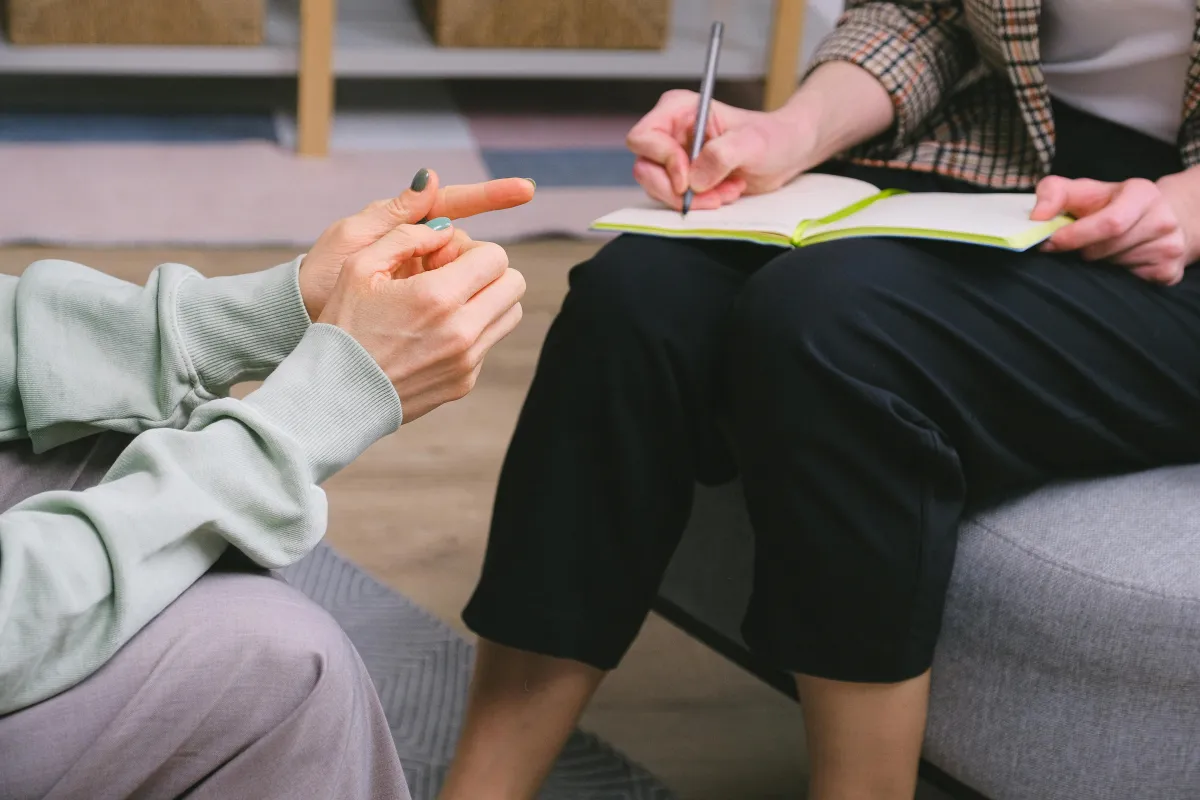
We provide caregivers with guidance, education, and practical skills to help them support their loved ones with greater confidence.
Helping You Feel More Confident in the Care You Provide
Helping You Feel More Confident in the Care You Provide
Caring for someone you love can come with a lot of questions.
Things you never had to think about before are suddenly your responsibility. And sometimes you’re figuring them out as you go, wondering, “Am I doing this right?”
You shouldn’t have to know how to handle every situation just because you’ve become the caregiver.
When You’re Learning as You Go
Most family caregivers didn’t receive training before taking on the role. You may have learned by watching someone at the hospital, searching online, asking questions, or simply figuring things out as problems came up. And then something changes.
The way you’ve been helping your loved one out of bed suddenly isn’t working. They’re doing less for themselves. You’re worried about leaving them alone. Or something that used to be manageable is becoming harder for both of you.
Sometimes you need more than another set of instructions. You need someone to help you understand what’s happening in your situation and what to do with it.
Caregiving Should Work for Both of You
When we talk about helping someone remain safe and independent at home, the caregiver is part of that picture too. A solution may work well for your loved one but be difficult, exhausting, or unrealistic for you to manage every day. That's important.
You may need a different way to help with an activity, equipment that works better for both of you, changes to the home, or simply a chance to practice something with someone there to guide you. You’re allowed to ask, “How can we make this easier for both of us?”
Why Functional Home Transformations?
Teaching has always been part of who I am. When I was little, I had the chalkboard, the grade book, the pretend classroom, and, of course, a full roster of imaginary students. I was sure I was going to be a teacher. As I got older, I knew I wanted to work in healthcare. Occupational therapy ended up giving me a way to do both.
I’ve also been a caregiver myself. I know what it’s like when caring for someone you love becomes part of your everyday life, and I know that having information is not always the same as knowing what to do with it.
That’s one of the reasons I enjoy working with caregivers so much. I don’t want to simply tell you what to do or hand you a list of recommendations. I want to show you, explain why we’re doing it, let you practice, answer your questions, and help you figure out what will actually work when I’m not there. For me, caregiver education isn’t an extra part of occupational therapy. It’s one of my favorite parts of what I do.
He can get himself dressed, but It takes forever. Should I just do it for him?
If he can safely dress himself and just needs more time, give him the opportunity to do what he can. Taking over because it’s faster can sometimes mean he gets fewer opportunities to keep using the abilities he still has.
But let’s be realistic. If you have an appointment in 30 minutes and he’s still working on the first sock, you may need to help. That doesn’t mean you have to take over dressing every day. On days when there’s more time, let him do more. When time is tight, help where it’s needed.And if getting dressed suddenly starts taking much longer than it used to, pay attention to that change. There may be a reason it’s becoming more difficult.
I’m exhausted. How am I supposed to keep doing this?
I could ask you what part of caregiving is wearing you out, but I already know some of you are going to say, “Everything!”
Fair enough. 😂
When it feels like everything, we can start with your day. Walk me through it. Somewhere in there, we may find things that have become harder than they need to be, things your loved one could still participate in, or responsibilities that could be handled differently. I also want to know what you’ve gotten used to doing simply because you’ve been doing it for so long. Caregiving can change little by little, and before you realize it, you’re doing far more than you were six months ago.
We’ll start where your day is giving you the most trouble and work from there.
Why can’t he walk when I want him to, but he walks when he wants to?
I believe you! And before we decide that he’s just being difficult, let’s look at what’s different when he gets up on his own. There may be something he really wants to do. He may be more alert at a certain time of day. The environment, the way directions are being given, or even how rushed he feels can make a difference.
Instead of focusing only on the times he won’t walk, pay attention to the times when he does.
What was different? Those successful moments can give us useful information about what helps him get moving, and sometimes teach us more than the difficult moments do.
How do I get my loved one into a routine?
Start with the routines that already exist rather than trying to create an entirely new schedule overnight.
Think about the parts of the day that usually go well and the parts that tend to fall apart. There may already be certain times when your loved one is more alert, more willing to participate, or simply has more energy.
Build around those patterns. A routine also doesn’t have to mean that everything happens at exactly 8:03 every morning. What often helps is having a predictable order to the day so your loved one has some idea of what comes next. And make sure the routine works for you too. A beautiful schedule that requires you to run yourself ragged isn’t going to last.
Can you show me an easier way to help her get into his wheelchair?
Yes, and the first thing I’ll probably say is, “Show me how you’re doing it now.” I want to see the two of you do it the way you normally do it, not the way you think you’re supposed to do it because I’m watching. From there, we can work on it together. I may change something about the way you’re helping, the way he’s participating, or how everything is set up.
Then it’s your turn!
I want you to try it while I’m there. We can make adjustments, practice it again, and make sure it feels manageable for both of you. Watching me do a beautiful transfer doesn’t help much if you can’t repeat it after I leave.

Making the Home Work Better
Make Your Home Work for You
Your home should support the way you live, not make everyday life harder. FHT helps you identify practical changes, equipment, and home modifications that fit your needs, routines, and budget. Sometimes the right solution is simpler than you think, and sometimes a larger change makes sense.
Home modifications don’t always mean remodeling
When people hear “home modifications,” they sometimes picture tearing out a bathroom, building an addition, or spending thousands of dollars. Sometimes changing the way something is set up, adding the right equipment, improving the lighting, or making a smaller change to the home may solve the problem.
There are also times when a larger modification makes sense. The important thing is to understand what isn’t working before spending money trying to fix it. That’s why I don’t like to start with, “What should we install?” I’d rather start with, “What are you having trouble doing?”
What works now may not work later
A solution may work perfectly for you today, but your needs can change. That doesn’t mean you have to modify your home for every possibility. It does mean that when you’re making decisions, especially expensive ones, it makes sense to think beyond the immediate problem. For example, a shower bench may be all you need right now. But if you’re already planning a bathroom renovation, that may be the time to think about whether a step-in or roll-in shower could make the space easier to use in the future. I’m not just looking at what will work in your home today. I’m also thinking about what may still work for you tomorrow.
Why Functional Home Transformations?
A contractor knows how to build it. I’m looking at how you need to use it. Before recommending a change to your home, I want to understand what you’re having difficulty doing, how you’re doing it now, and what may change over time. Seeing you use the space helps me understand where the difficulty is and what may actually help. Then we can talk about what makes sense for the space, your needs, and your budget. If a larger modification is appropriate, I can help you think through what you may need before the work begins. That gives you useful information to take into the conversation with the contractor who will help determine how the project can be built structurally.
We bring different expertise to the table, and when those pieces work together, the home can work better for you.
Home modifications can be expensive. Are there cheaper alternatives?
Sometimes. Before assuming you need a major renovation, I’d want to know what problem you’re trying to solve. There may be equipment, a smaller change to the home, or even a different way of doing the activity that can help without requiring a large project.
But I also don’t want to recommend the cheapest option simply because it costs less. If you’re going to spend money on your home, the solution should make sense for your needs and how you expect to use the space.
I think of home modifications as an investment in you. That investment should help you live in and use your home in a way that works better for you.
The first step is figuring out what you actually need before deciding how much you need to spend.
Do you know a contractor who is ADA-certified?
This is a question I hear a lot! The ADA (Americans with Disabilities Act) establishes accessibility standards, but there isn’t a general “ADA-certified contractor” designation that guarantees a contractor knows what will work for you in your home. And that distinction matters. A measurement that meets an accessibility standard doesn’t automatically make something usable for a particular person. Your height, reach, strength, balance, mobility, equipment, routines, and how you actually use the space all matter.
When choosing a contractor, I’d look for someone who has experience completing accessibility and home modification projects and who is willing to work with the recommendations based on your specific needs.
The contractor brings the construction expertise. I bring the functional perspective. Together, those two pieces can help turn a recommendation into a modification that actually works for you.
My Dad is having trouble with the stairs. Should we get a stair lift?
Maybe, but before you start shopping for one, I’d want to know what’s making the stairs difficult.
Is he having trouble with balance, strength, pain, endurance, or something else? Can he safely get on and off a stair lift? What happens once he reaches the top or bottom? And are the stairs the only issue? A stair lift can be a very useful solution for some people, but it doesn’t solve every problem related to using the stairs.
I’d rather look at your father, the stairs, and how he needs to move through the home before deciding what equipment or modification makes the most sense. If a stair lift is the right choice, great. If there’s another solution that fits better, it’s worth figuring that out before you spend the money.
Will insurance pay for home modifications?
Most health insurance plans do not pay for home modifications, so I want families to be prepared for the possibility that these changes will be an out-of-pocket expense.
However, there are exceptions. Coverage can depend on your insurance, the type of equipment or modification you need, and the reason it’s needed. There may also be programs or other funding sources available depending on your situation.
If you do have to pay out of pocket, remember that you’re investing in more than the house itself. You’re investing in how safely and comfortably you’re able to live in it. We spend money on our homes for all kinds of reasons, and making the home work better for you can be one of them.
That doesn’t mean spending more than you need to. Once we know what would actually help, we can consider the cost and whether there are resources that may help make it possible.
Do you do assessments for in-law suites?
Yes. If you’re considering having a parent or loved one move in with you, there can be a lot to think about. You may be trying to make it easier to provide support while still giving them a space of their own.
I can be involved while you’re planning the space or take a look at one that’s already there.
I’ll look at the physical setup—things like lighting, flooring, bathroom access, how easily the person can move around, and whether equipment would make the space easier to use.
There’s another part of the assessment that can easily get overlooked: what will make this space comfortable and familiar for the person who’s going to live there.
For someone with dementia, moving into a newly created suite may mean leaving a very familiar environment. Their favorite chair, family photographs, familiar artwork, or other things they recognize can help the new space feel more like home. How the space is arranged can also support familiar routines and make it easier to find the things they use every day. Those details are part of the recommendations too.
Life with Chronic Conditions, Illness, or Injury
Adapting to Changes in Your Health and Everyday Life
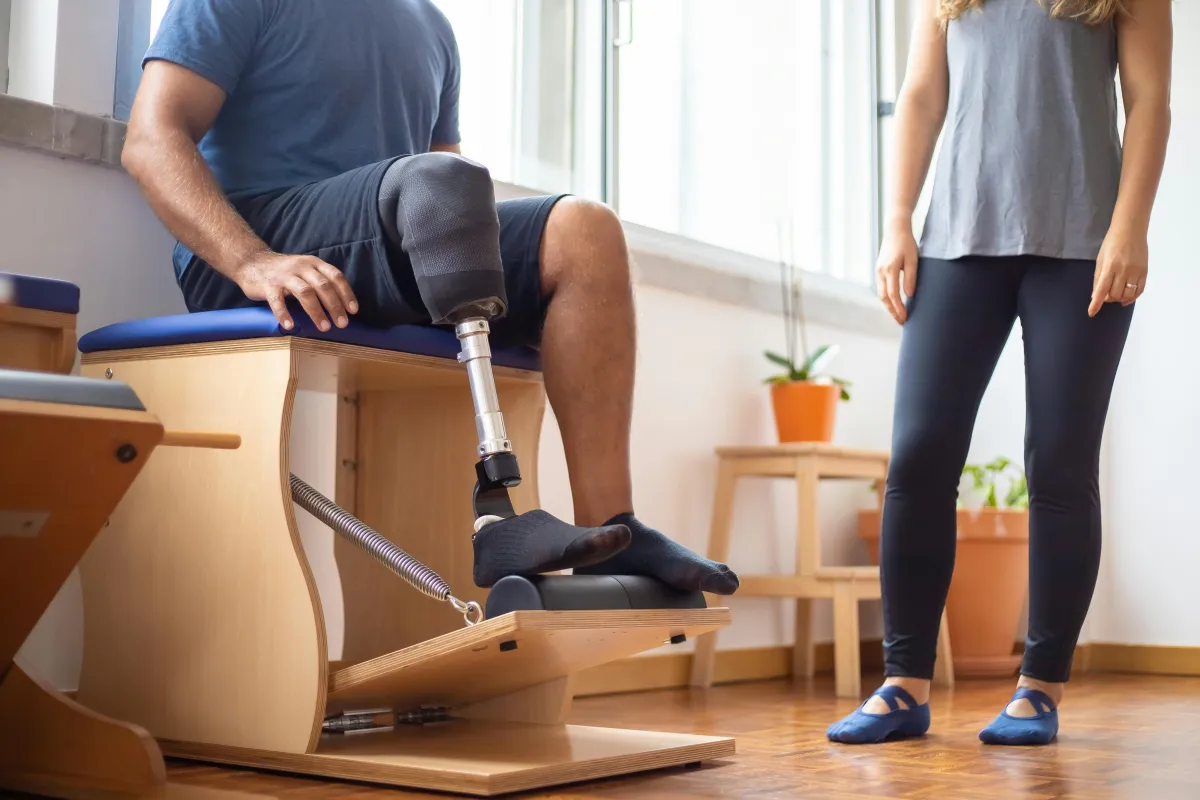
A diagnosis, illness, or injury can affect your routines, your habits, the roles that are important to you, and the everyday things you need and want to do.
Sometimes you know the name of your condition but still aren’t sure what it means for your life now or what you may need to think about in the future.
What Does Your “New Normal” Look Like?
You may hear people talk about finding a “new normal” after something changes with your health. Figuring out what that looks like can take time. You may be relearning how to do something you used to do without thinking about it. You may also discover that a different way of doing the task, a piece of equipment, a change to your home, or an adjustment to your routine works better for where you are now. Your “new normal” can change too. What you need during recovery may be different from what you need several months from now, especially when you’re living with a chronic or progressive condition.
There’s More to Recovery Than Exercise
Strength, balance, endurance, and walking are all important parts of recovery. You also have a life to live. You still need to get dressed, take a shower, prepare something to eat, manage your home, participate in your family, and return to the activities and roles that are important to you.
Occupational therapy brings those parts of your life into the recovery process. We can work on the actual activities you’re having difficulty with, right where you do them every day. Your bathroom, kitchen, stairs, bedroom, clothes, hobbies, and daily routines can all become part of therapy.
You don’t need a gym full of equipment to work on getting back to living your life.
Why Functional Home Transformations?
I’ve met many people who can tell me the name of their diagnosis but still aren’t sure what it means for their everyday life.
That matters to me.
I want you to understand what we’re working on, why we’re working on it, and how it connects to the things you need and want to do. I’ll explain things in everyday language, answer your questions, and pay attention to the parts of your life that can easily get lost in the medical conversation—your routines, habits, roles, home, and the activities that matter to you. And when something isn’t working, I’m willing to look at it differently. Sometimes we work on getting a skill back. Sometimes we find another way to do it. As your needs change, we can change our approach too. I don’t want you leaving our visit wondering, “Okay, but what does all of this mean for me?”
Have you seen people with stroke get better?
Yes, I’ve seen people make progress after a stroke. What that progress looks like is different for everyone.
Some people regain skills they lost. Others learn different ways to complete activities that have become difficult. Progress can also show up in ways you may not immediately think about—needing less help getting dressed, making your own breakfast again, getting back to a favorite activity, or feeling more confident doing something that used to make you nervous. Recovery can take time, and there isn’t one timeline that applies to everyone. I look at where you are now, what you want and need to be able to do, and what we can work on from there.
What kind of therapy can we do in my home without gym equipment?
Describe the item or answer the question so that site visitors who are interested get more information. You can emphasize this text with bullets, italics or bold, and add links.
Will you help me get rid of my pain?
I can help you look at how pain is affecting the things you do every day and explore ways to make those activities more manageable. That may include changing how you complete a task, looking at positioning or body mechanics, using adaptive equipment, pacing activities differently, or finding ways to reduce the strain of certain movements.
I can’t promise that your pain will go away. What I can do is help you find ways to keep pain from making every decision about what you can and can’t do.
How long will you work with me?
That depends on what you need and what we’re working toward together. Some people may need therapy for a shorter period while recovering from an illness or injury. Others may benefit from support over a longer period, especially when they’re managing a chronic or progressive condition. We’ll regularly look at your progress, what’s changing, and whether our approach still makes sense. If you’re using insurance, your coverage and the requirements of your plan may also affect how long services can continue. I’ll talk with you along the way so you understand where we are and what I’m recommending next.
I know what my diagnosis is, but what does that mean for me now?
That’s a question worth asking!
Your healthcare provider can help you understand the medical side of your diagnosis. As your occupational therapist, I can help you look at what changes in your health may mean for your everyday life. We can talk about how things like your energy, strength, movement, thinking, pain, or other changes are affecting your routines and the things you need and want to do. We can also look at what may help you manage those changes at home.
And please ask questions. If something I’m explaining doesn’t make sense, tell me. I’d rather explain it another way than have you leave wondering what I meant.

Now accepting Virginia DD Waiver Therapeutic Consultation referrals!
Practical Stategies for Everyday Life
Functional Home Transformations provides Occupational Therapy Therapeutic Consultation to help individuals and their support teams address functional needs that affect everyday activities, routines, safety, and participation.
Services may include individualized strategies, caregiver and staff education and training, recommendations for adaptive equipment, and collaboration with the individual’s support team.
Support Coordinators, providers, and families are welcome to make a referral or contact FHT with questions about the service.

THE OT BEHIND FHT
Tomeeker B. Gary, OTR/L, ECHM
You can call me Tee.
Occupational Therapist | Founder, Functional Home Transformations
I grew up in a home where “we made it work.” If something was difficult, we figured out a way to get it done. As I got older and became an occupational therapist, I started seeing some of those experiences differently. There were things we had learned to live with or work around that could have been safer or easier with the right information and solutions. Throughout more than 20 years as an occupational therapist, I’ve heard families tell me, “They discharged my family member from the hospital, I brought them home, and I didn’t know what to do.” I’ve also worked with people who simply tell me, “I don’t know how I’m supposed to do this now.” Those words have stayed with me. They’re a big part of why I started Functional Home Transformations. I’ve seen the difference preparation, education, confidence, and patience can make when someone is trying to manage life at home. Sometimes people just need someone who understands what they’re dealing with and can help them figure out what to do next. That’s the kind of OT I am.
Our 3 Pillars of Care

Personalized
Care
Individualized to YOUR specific needs.

Care Where You Are
Quality care provided in the comfort of your home.

Holistic
Support
We consider the whole picture, not just one concern.
WHAT OUR CLIENTS ARE SAYING...
JANE DOE

I had been suffering from chronic back pain for years, and nothing seemed to provide lasting relief until I found [BUSINESS]. The personalized care and expertise of their therapists made all the difference.
JOHN SMITH
As an athlete, I was devastated when a sports injury left me sidelined. But [BUSINESS] was a game-changer for my recovery. Their therapists not only helped me heal faster but also provided me with strategies to prevent future injuries. I'm back in the game, stronger than ever, and owe it all to this incredible team.
MARY SUE
Living with constant headaches and neck pain was taking a toll on my quality of life. Fortunately, I found [BUSINESS]. Their holistic approach to therapy was exactly what I needed. Through their treatments and lifestyle guidance, I've experienced a significant reduction in pain, improved mobility, and a newfound sense of well-being.
What to Expect When Working With FHT
How do I know if I need occupational therapy?
Occupational therapy may be helpful when something you need or want to do in everyday life has become harder.
You may be having difficulty taking care of yourself, moving around your home, managing everyday routines, returning to activities after an illness or injury, or doing things as safely and independently as you’d like.
If you’re not sure whether OT is the right fit, contact FHT and tell me what’s going on. I can help you determine the next step.
Why do you come to my home instead of seeing me at an office?
There are some things I can understand much better by seeing them where they actually happen. If you’re having trouble getting into your shower, managing your stairs, getting dressed, preparing a meal, or moving around your home, I can see the actual space, setup, and routine instead of trying to recreate the situation in a clinic. It also means you don’t have to travel to an office for your visit. I come to you, and we can work on the things that matter in the place where you actually do them every day.
What can I expect during my first visit?
You don’t need to do anything special to prepare. I need to see how you actually live and how things normally work in your home.
During the first visit, we’ll talk about what’s been going on, what’s becoming difficult, and what you’d like to be able to do. I’ll also ask about your health, daily routines, and any concerns you or your family may have.
Depending on why I’m seeing you, I may ask you to show me how you normally complete certain activities or move through different areas of your home.
From there, we’ll talk about what I’m seeing and what the next steps may be.
Do I need a referral from my doctor?
FHT generally obtains an order or referral from your healthcare provider before beginning occupational therapy services.
If you don’t already have one, don’t worry. We can contact your provider’s office and request the information we need. Depending on your situation, your provider may want to see you before issuing the order.
Do you accept insurance?
Yes. FHT works with Medicare and select insurance plans, and we also offer private-pay services.
Insurance coverage depends on your individual plan and the type of service you need. Before getting started, we can review your insurance information and let you know whether FHT participates with your plan and what your next steps may be.
If insurance isn’t the right fit for the service you’re looking for, we can also talk about available private-pay options.
How can I prepare for my in-home therapy sessions?
To prepare for your in-home therapy sessions, ensure you have a safe and clutter-free space where the therapist can work with you. Your therapist will provide any additional instructions based on your individual treatment plan.
Still have questions? Tell us what’s going on, and let’s figure it out together!
Get in Touch!
Text or call 804-471-3096
E-mail: tee@fhtransformations.com
or click here to request a return call!
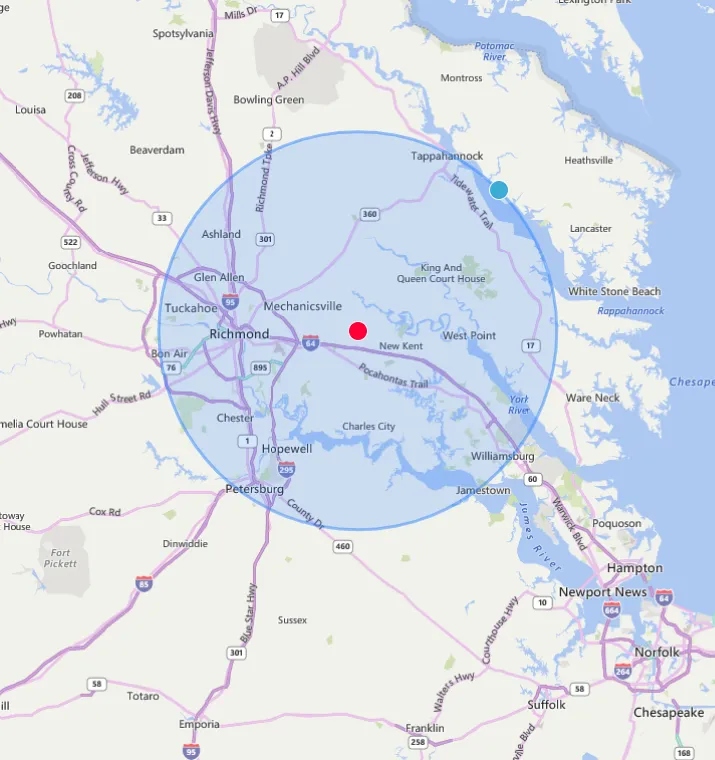
Proudly serving New Kent and localities within a 30-mile radius!

MEDICAL DISCLAIMER:
All information on this website is intended for instruction and informational purposes only. The authors are not responsible for any harm or injury that may result. Significant injury risk is possible if you do not follow due diligence and seek suitable professional advice about your injury.
No guarantees of specific results are expressly made or implied on this website.
Copyright © 2026 All Rights Reserved by Functional Home Transformations.